




342RL-SPARE BLADE FOR ITEM 342
Regular price $6100 AUDUnit priceUnavailable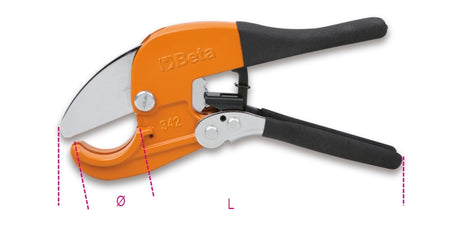

342 Ratchet-Type Shears for Plastic Pipes
Regular price $8000 AUDUnit priceUnavailable
341B/RM-SPARE SPRING FOR ITEM 341B
Regular price $650 AUDUnit priceUnavailable

341B/RL-SPARE BLADE FOR ITEM 341B
Regular price $6500 AUDUnit priceUnavailable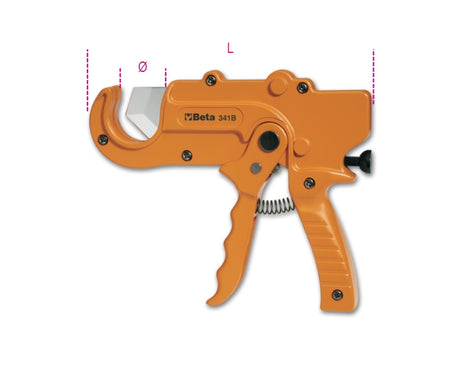

341B-RATCHET-TYPE SHEAR FOR PLAS. PIPES
Regular price $19600 AUDUnit priceUnavailable

341RL-SPARE BLADE FOR ITEM 341
Regular price $4300 AUDUnit priceUnavailable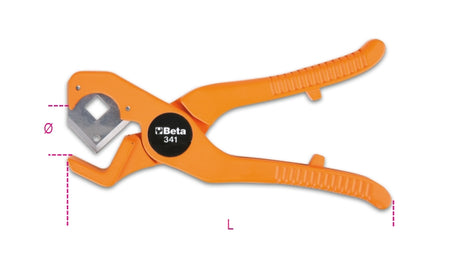

341-PIPE CUTTING PLIERS FOR PLAST. PIPES
Regular price $10200 AUDUnit priceUnavailable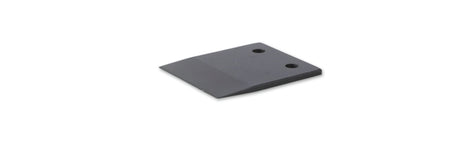

340RL-SPARE BLADE FOR ITEM 340
Regular price $7300 AUDUnit priceUnavailable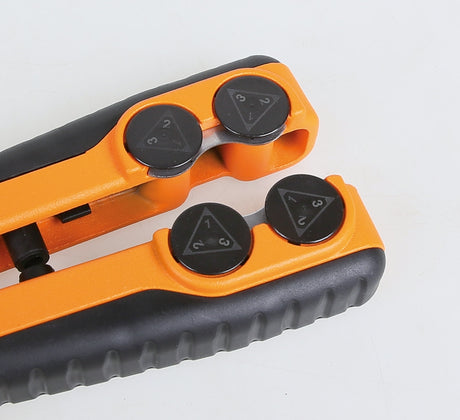
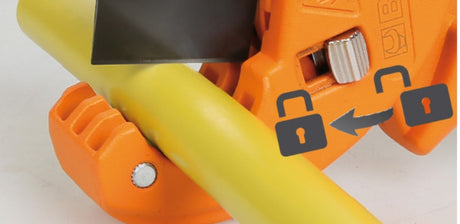
340-MULTILAYER PIPE CUTTING PLIERS
Regular price $28100 AUDUnit priceUnavailable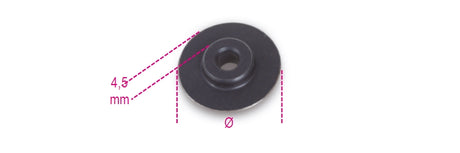

338RP-SPARE CUTTER WHEEL ITEMS 336-338
Regular price $1890 AUDUnit priceUnavailable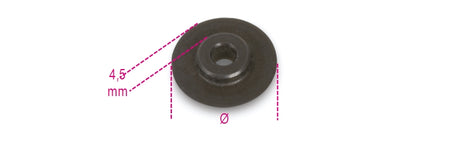

338R/I-SPARE CUTTER WHEEL ITEMS 336-338
Regular price $5200 AUDUnit priceUnavailable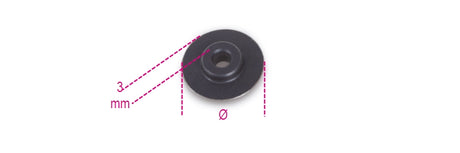

338R-SPARE CUTTER WHEEL 331L-336-338
Regular price $1750 AUDUnit priceUnavailable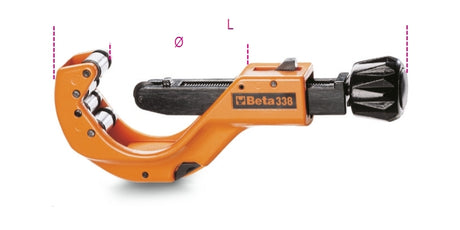
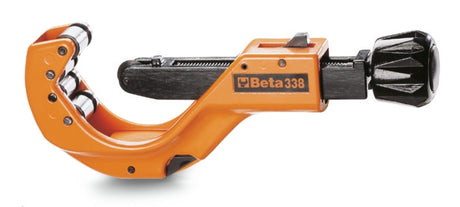
338-TELESCOPIC PIPE CUTTER FAST ADVANCE
Regular price $32900 AUDUnit priceUnavailable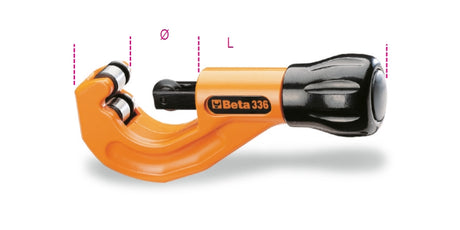
 Regular price $9500 AUDUnit priceUnavailable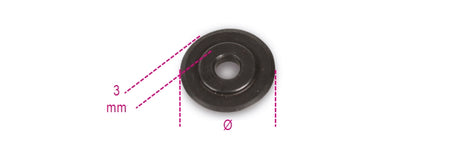

334R/I-SPARE CUTTER WHEEL ITEMS 332-334
Regular price $4700 AUDUnit priceUnavailable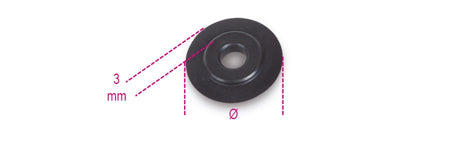

334R-SPARE CUTTER WHEEL ITEMS 332-334
Regular price $1640 AUDUnit priceUnavailable

FAQs
Why are high-quality plumbing tools essential for every plumber's job?
Why are high-quality plumbing tools essential for every plumber's job?
High-quality plumbing tools are built to handle tough jobs without breaking down. They save time, reduce mistakes and make work more comfortable. Reliable plumber’s tools also last longer, so you won’t need to replace them as often, making them a smart investment for professionals.
I’m just starting out. What basic plumbing hand tools should I invest in first?
I’m just starting out. What basic plumbing hand tools should I invest in first?
A starter kit only needs the essentials. Begin with a pipe wrench, an adjustable spanner, pliers, a hacksaw and a pipe cutter. Adding a plunger, sealing tape and a few safety items gives you the basic plumbing hand tools to tackle common repairs.
How do I choose tools for plumbers that last?
How do I choose tools for plumbers that last?
Plumbing tools that last start with strong materials and solid construction. Features like durable joints and comfortable handles add to their reliability, while choosing trusted brands gives extra peace of mind. With plumbers’ tools from Beta Tools Australia, you get all of this in equipment designed to deliver dependable performance year after year.
How do I choose tools for plumbers that last?
How do I choose tools for plumbers that last?
Plumbing tools that last start with strong materials and solid construction. Features like durable joints and comfortable handles add to their reliability, while choosing trusted brands gives extra peace of mind. With plumbers’ tools from Beta Tools Australia, you get all of this in equipment designed to deliver dependable performance year after year.
Are professional plumbing tools worth the investment over cheaper alternatives?
Are professional plumbing tools worth the investment over cheaper alternatives?
Yes. Professional plumbing tools might cost more upfront, but they pay off in the long run. They are designed for accuracy and reliability, saving you time and money. However, cheaper versions often wear out quickly or fail when you need them most.
Can I find specialised plumbing tools for tricky jobs?
Can I find specialised plumbing tools for tricky jobs?
Absolutely, there are plenty of specialised plumbing tools for harder tasks. Tube or pipe benders and press fitting systems are just a few examples. Having these tools makes it easier to handle complex jobs.
How does Beta Tools Australia ensure the quality of its plumbing tool range?
How does Beta Tools Australia ensure the quality of its plumbing tool range?
Beta Tools Australia sources plumbing hand tools that have undergone strict quality control. Each tool is made to deliver strength and long-lasting performance. This focus on quality gives plumbers the reliability they need to complete every plumbing job.
Cutting, matched to the material
Copper and steel want a hardened wheel that scores and parts the wall cleanly. Beta's pipe cutters run from the 332 mini cutter for tight riser work, through the 334 and the telescopic 336 and 338 for general runs, the 331C C-shaped cutter for pipe against a wall, and the 330/2 for steel gas pipe. Plastic and multilayer want a blade that shears square instead: the 341 and 342 ratchet-type shears, the 340 multilayer cutting pliers and the 340C for corrugated conduit. A wheel cutter on plastic smears the wall and leaves you cleaning up a joint that should have been ready.
Reaming and deburring before anything goes together
A burr is the most common reason a compression joint weeps, and the cheapest fault to avoid. The 345 pipe reamer and 345U handle the internal edge, the 345SI and 345SB deburrers take the shoulder off inside and out, and the 358/1 chamfers plastic pipe for a press or solvent joint. The 345C multilayer gauge checks the bore before you commit.
Bending without collapsing the wall
For soft copper on site, the 389/K4 kit of bending springs supports the wall through the bend and packs into a bag. Where the bend needs to be repeatable — visible pipework, or several matching sets on one run — the 387 copper bender and the 388 series of pipe benders with interchangeable forms give you a consistent radius. The 388A/1 bending pliers handle small-diameter tube by hand.
Forming joints instead of adding fittings
Every coupling is a potential leak. The 353N tube expanding pliers socket one length of copper to take the next, and the 349, 350 and 352U flaring tools form refrigeration, gas and hydraulic ends directly. Fewer joints, tidier run, less to go back to.
Pipe wrenches, tap wrenches and site holding
Grip is chosen by access and by what the pipe finish will tolerate. Beta's pipe wrenches split by pattern: the 360 Stillson is the general-purpose choice, while Swedish pattern 374 to 378 wrenches come in 45-degree slim jaws for crowded risers and 90-degree flat jaws for a straight pull. The 383 reversible strip and the 384 and 386A chain wrenches grip chrome and plated pipe without marking it, and the 362 to 366 heavy duty range covers large diameter and seized joints. Add the 393 and 395 water tap wrenches, the 359 drain wrench, and 398 and 399 vices for site work. Spare chains, strips, blades and cutter wheels are stocked for the tools that wear. Beta Tools is supplied across Australia by UNIPAC Engineering. Contact us to check stock or spec a kit for a team, or read more about us.
Frequently Asked Questions
I'm starting out — what basic plumbing hand tools should I buy first?
I'm starting out — what basic plumbing hand tools should I buy first?
Two or three pipe wrench sizes, a cutter matched to the materials you actually work in, a reamer or deburrer, tap wrenches for fittings in tight spaces, and pliers. That covers most callouts. Bending and flaring tools come in as the work demands them, not before.
What's the difference between a Stillson and a Swedish pattern pipe wrench?
What's the difference between a Stillson and a Swedish pattern pipe wrench?
A Stillson-type has a floating hook jaw that tightens on the pipe as you pull — the general-purpose choice. Swedish pattern wrenches have a fixed, more compact head, in 45-degree slim jaws or 90-degree flat jaws, giving better access in tight spaces and more control on smaller fittings.
What size pipe wrench do I need?
What size pipe wrench do I need?
Match wrench length to pipe diameter — roughly a 250mm wrench up to 25mm pipe, 350mm up to 40mm, and 450mm and above beyond that. Oversizing isn't free: too much leverage will crush or distort a small fitting before it turns.
Can I use one cutter on copper and plastic pipe?
Can I use one cutter on copper and plastic pipe?
Not well. A copper cutter's hardened wheel parts metal cleanly but deforms and smears plastic. Plastic cutters use a blade that shears the pipe square. The right tool saves the cleanup a bad cut creates.
Bending springs or a pipe bender?
Bending springs or a pipe bender?
Springs are cheaper, more portable and fine for occasional bends in soft copper. A bender gives you a repeatable radius and a tidier finish, which is what you want on visible pipework or when you're forming several matching bends on one run.
How do I choose plumbers' tools that will last?
How do I choose plumbers' tools that will last?
Look at what wears and whether you can replace it on its own. On a pipe wrench that means the jaw and the chain or strip; on a cutter it means the wheel. Beta stocks those parts separately, so a worn tool gets a new component rather than a new invoice — which is a better durability test than any spec sheet.
Are professional plumbing tools worth it over cheaper alternatives?
Are professional plumbing tools worth it over cheaper alternatives?
On the tools that carry load, yes. A pipe wrench works by concentrating force through hardened jaw teeth, and a soft jaw rounds a fitting instead of turning it — that's a callback, not a saving. On low-load items the gap narrows. Spend where the tool has to grip something seized.


